

An employee who needs extra processing time isn’t trying to be difficult, rude, or insubordinate. Their brains work differently from those of your non-autistic employees.

An employee who needs extra processing time isn’t trying to be difficult, rude, or insubordinate. Their brains work differently from those of your non-autistic employees.

Crafting inclusive holiday celebrations calls for an inclusive and participatory approach. When we plan with everyone in mind, we aren’t just celebrating the season – we’re celebrating our collective humanity in all its diversity.

Autistic people are assets in the workplace, but that can be difficult to see if your primary focus is on how they don’t “fit in” with your current culture. They weren’t meant to fit in, mask, go with the flow, or toe the line. They are meant to be innovative, avant-garde, and just different enough to help guide your business into the future.

With awareness and accessibility, holiday parties don’t have to be something your neurotypical employees look forward to but your autistic employees dread, they can be a place where people of all neurotypes meet in the middle and use compromise to find common ground and create a true sense of community.

Creating neuroinclusive environments presents an invaluable opportunity for managers and coworkers to adopt a growth mindset and enhance skills essential for effective leadership and collaboration. The cornerstone of these skills is empathy.
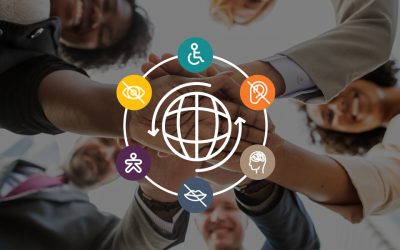
Disability must be freed from a vision that considers it exclusively from a functional point of view, recognizing its own social identity within the diversity of human expression.

When it comes to workplace bullying, be aware of it in all its forms (even the hidden ones), take it seriously, and defend your vulnerable employees against it. It’s not just about protecting your interests, it’s about elevating your leadership and creating a working environment where everyone feels safe, included, and valued–no matter how their brain is designed.

When it comes to your autistic employees, explanations are not excuses. They are a response to a literal interpretation of words combined with a desire to be respectful and considerate.

For diversity and inclusion to become more than just buzzwords, it’s essential for managers to hone their communication skills. By integrating active listening with a nuanced understanding of neurodivergent body language and communication styles, managers can improve communication for all, cultivate trust, and maximize the collective strength of diverse teams.